Compare Luxury Wildlife Lodges: The Definitive Elite Guide
The contemporary discourse surrounding elite wildlife tourism frequently collapses a dense tapestry of conservation economics, structural scale, and spatial design into a homogenous commercial category. What distinguishes a superficial lodge booking from an enduringly transformative wilderness enterprise lies in a subtle interplay of architectural footprint, community land-lease agreements, and low guest density. Modern travelers seeking exceptional wildlife viewing encounters often encounter marketing materials that treat high-end properties as a monolithic product tier defined merely by thread counts, plunge pools, or rustic canvas aesthetics. In reality, the architecture of intimate wildlife hospitality is an intricate discipline. It requires coordination across sovereign jurisdictions, private conservation concessions, and remote micro-aviation networks that can sustain operational independence without degrading local ecosystems.
Beneath the veneer of minimalist architectural design and curated wine cellars lies a deeply technical operational ecosystem. The most sophisticated properties balance predator home ranges, seasonal wildlife dispersion, anti-poaching patrol funding, and strict community land-trust agreements. When evaluating premium small-scale wilderness ventures, discerning travelers must look past superficial lodge amenities. Furthermore, they must examine how spatial exclusivity and small room counts directly correlate with ecological integrity and wildlife habituation patterns. A well-designed camp does not simply offer fewer beds; it embeds travelers within a functional conservation economy where every operational choice impacts local biodiversity and regional anti-poaching efficiency.
Navigating this domain demands an appreciation for the structural tensions inherent in contemporary eco-tourism. The expansion of independent, owner-operated wilderness camps has created vital financial buffers for endangered species preservation. However, it simultaneously introduces questions regarding long-term financial resilience, seasonal cash flow volatility, and the management of fragile wilderness habitats under shifting climatic regimes. Understanding these trade-offs transforms the planning process from a simple accommodation booking into a deliberate engagement with regional conservation governance. The following sections dissect the anatomy of wildlife journeys, establishing rigorous frameworks for evaluation, financial planning, and risk mitigation.
Understanding “compare luxury wildlife lodges”
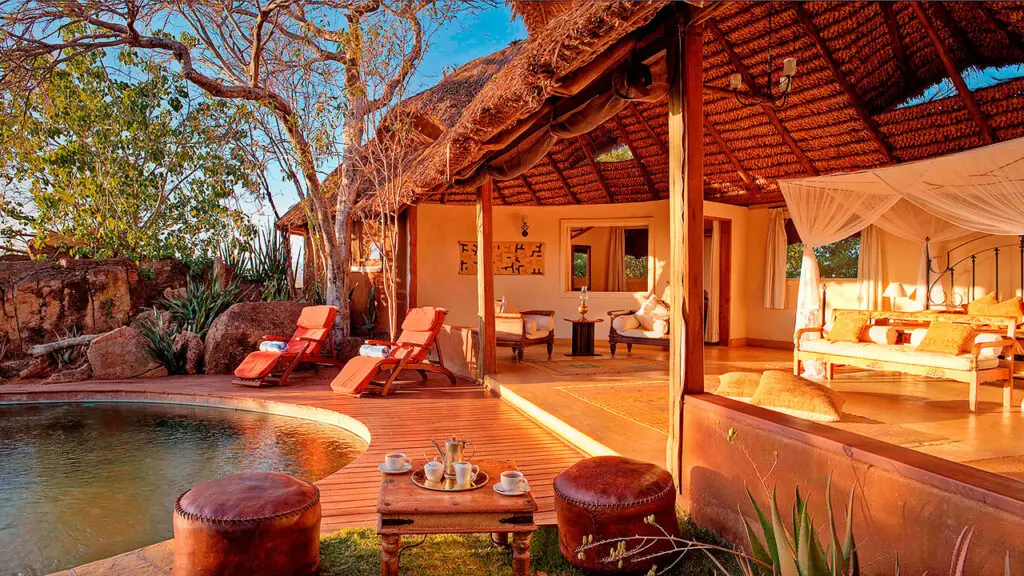
The phrase compare luxury wildlife lodges frequently appears in travel literature as a shorthand for sorting through expensive African wilderness properties. Yet, its operational definition requires considerably more analytical rigor. At its core, evaluating elite itineraries refers to a structured methodology. This methodology assesses distinct structural formats, owner-operator philosophies, pricing architectures, and service models. Moreover, it is defined not by superficial feature-checking, but by understanding how intimate scale directly influences wildlife encounter quality, guest autonomy, and conservation impact.
A primary misunderstanding in this space is the belief that standard hotel rating metrics or generic room counts can be applied uniformly across disparate wilderness regions. When people attempt to evaluate disparate offerings, they often rely on interior design aesthetics or brand prestige. Consequently, they miss the structural variables that genuinely define excellence. To properly compare luxury wildlife lodges, one must analyze traversing rights, staff-to-guest ratios, bed-night caps, and underlying land-tenure agreements. Oversimplifying this assessment as a simple room-count calculation ignores the intricate web of community partnerships, remote supply-chain logistics, and specialist guide retention policies that dictate actual operational capability.
Furthermore, these operational choices are rarely static templates. Instead, they are dynamic constructs that adapt to seasonal rainfall patterns, animal migration routes, and regional political climates. Evaluating what makes a property superior requires examining how well it reconciles human comfort with raw, unpredictable natural environments. When executed correctly, high-end planning achieves a delicate equilibrium where absolute privacy and refined field support pair seamlessly with genuine exposure to wild, untamed ecosystems.
Deep Contextual Background and Historical Evolution
To understand contemporary boutique wilderness expeditions, one must trace the ideological shift from large-scale colonial hotels to modern conservation-funded intimate camps. In the mid-twentieth century, wildlife tourism across East and Southern Africa was largely dominated by sprawling, multi-room concrete lodges situated within national park perimeters. These structures often accommodated hundreds of guests, necessitating high vehicle traffic, paved access roads, and standardized dining halls that alienated travelers seeking authentic wilderness immersion.
The late twentieth century marked a pivotal transition with the rise of the mobile tented camp and the private concession model. Particularly in countries like Botswana, Zimbabwe, and later Tanzania and Kenya, visionary conservation entrepreneurs recognized that smaller footprints yielded higher ecological compatibility and deeper client engagement. By limiting camps to four to eight tents, operators could utilize low-impact canvas and timber structures that left minimal permanent ecological scars.
Pioneering conservationists also realized that intimate camps could generate high-yield, low-volume revenue. Specifically, this financial model provided the exact capital needed to lease vast tracts of buffer land from local communities, converting subsistence agricultural zones into protected wildlife corridors. This era birthed the modern independent boutique lodge—areas where visitor numbers are strictly controlled, and commercial interests are explicitly aligned with community-based natural resource management. Consequently, the historical trajectory reveals a clear lesson: modern elite travel is intrinsically tied to economic incentives for land preservation. Without the capital injection from small-scale, high-value tourism, vast corridors of vulnerable wilderness would likely succumb to agricultural fragmentation.
Conceptual Frameworks and Analytical Mental Models
Evaluating complex wilderness itineraries requires structured thinking. Below are four mental models designed to help travelers and planners assess the structural integrity of elite small-scale wildlife journeys.
-
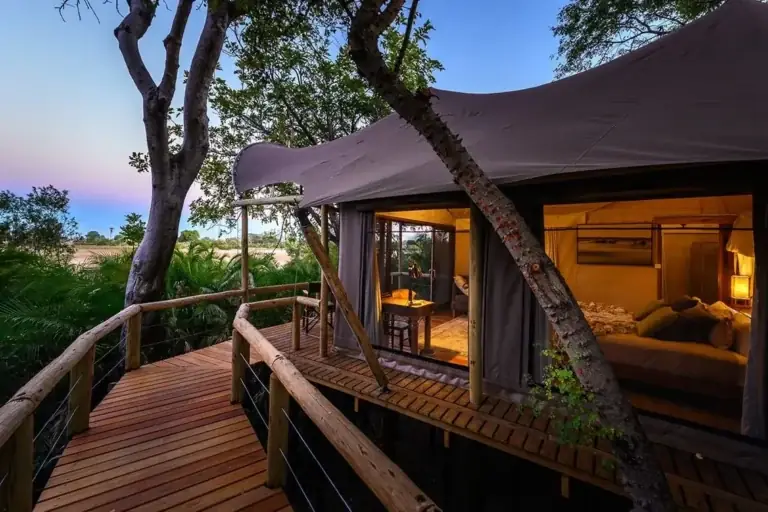
The Footprint-to-Wilderness Ratio: This model measures the physical and acoustic impact of camp infrastructure relative to the surrounding hectares of untamed habitat. High footprint involves permanent concrete structures and generators audible across miles; conversely, healthy design utilizes raised canvas, solar micro-grids, and natural sound dampening.
-
The Conservation-Capital Vector: This framework evaluates every dollar spent on an itinerary based on its direct impact on habitat protection, anti-poaching operations, and community employment. A plan scores high on this vector when lodges maintain direct land leases with indigenous communities and transparently reinvest profits into regional ecological monitoring.
-
The Spatial Exclusivity Index: Wildlife viewing quality degrades rapidly with vehicle congestion. Therefore, this model assesses the ratio of guests to wilderness hectares and the strict enforcement of private traversing rights. True elite plans operate within private concessions where vehicle numbers per sighting are strictly limited.
-
The Environmental Resiliency Matrix: Ecosystems are volatile. This mental model tests a property’s adaptability to extreme weather events, seasonal droughts, or shifting animal migration patterns. Furthermore, a resilient plan incorporates mobile infrastructure or flexible positioning that guarantees exceptional wildlife viewing regardless of climatic anomalies.
Key Categories, Variations, and Comparative Trade-Offs
High-end intimate wildlife travel manifests in several distinct structural formats. When professionals or travelers compare luxury wildlife lodges, operators must weigh each category against specific ecological constraints and personal objectives.
Private Concession Tented Sanctuaries
Intimate camps comprising four to six luxury tents located on privately leased land, offering exclusive traversing rights and freedom from national park vehicle limits.
-
Trade-Offs: Exceptional wildlife viewing density, night drives, and off-road tracking freedom. However, it involves higher daily cost structures and ephemeral canvas infrastructure.
Owner-Operated Bush Homesteads
Highly personalized, permanent or semi-permanent homesteads managed directly by the owner-naturalists who live on-site.
-
Trade-Offs: Unmatched host engagement, bespoke daily scheduling, and deep regional expertise. Still, availability is severely restricted, requiring booking years in advance.
Remote Mobile Walking Camps
Fully staffed, exclusive mobile camps that pitch and dismantle across untouched wilderness corridors following seasonal game movements.
-
Trade-Offs: Ultimate immersion in remote landscapes far from tourist routes. Nevertheless, it involves basic sanitation facilities and strict physical fitness requirements.
Historic Conservation Manor Houses
Restored colonial-era or vernacular farmhouses converted into ultra-exclusive multi-room private estates with dedicated staff.
-
Trade-Offs: Architectural character, rich historical context, and supreme comfort for private family groups. However, they are often located on the periphery of core wilderness zones.
Archipelagic and Marine-Terrestrial Boutique Nodes
Intimate camps pairing remote terrestrial wildlife viewing with private marine conservation islands.
-
Trade-Offs: Balanced exposure to diverse biomes and marine life. Still, it requires complex multi-leg bush flight logistics and varied preparation.
Community-Owned Wilderness Retreats
Boutique lodges built in partnership with local rural communities, where equity ownership and employment are directly vested in indigenous populations.
-
Trade-Offs: Profound cultural authenticity and direct community empowerment. However, management transitions and infrastructural reliability can occasionally fluctuate.
| Category | Primary Benefit | Key Operational Risk | Best Suited For |
| Private Concession Tented | Absolute tracking freedom and low density | Higher cost per night | Serious naturalists and wildlife photographers |
| Owner-Operated Homesteads | Deep personal engagement and bespoke pacing | Severe booking scarcity | Discerning travelers seeking bespoke hospitality |
| Remote Mobile Walking Camps | Raw wilderness immersion on foot | Basic infrastructure and physical limits | Adventurous travelers seeking deep tracking |
| Historic Conservation Manors | Architectural character and family privacy | Peripheral proximity to core game zones | Multi-generational family groups |
| Community-Owned Retreats | Direct indigenous empowerment | Operational consistency variables | Ethical travelers focused on social impact |
Choosing among these categories requires weighing personal tolerance for rustic elements against the desire for refined comfort and raw wilderness access. Travelers prioritizing absolute tracking autonomy should gravitate toward private concession tented camps. Conversely, those seeking deep social impact benefit from community-owned retreats.
Detailed Real-World Operational Scenarios
To ground these concepts in reality, consider four distinct operational scenarios encountered by travelers booking high-end boutique expeditions.
A : The Wildlife Conservationist
-
Context: A solo researcher seeks prolonged observation of endangered wild dog behavior in a remote, low-traffic concession without tourist interference.
-
Constraints: Needs absolute silence, uninterrupted sighting time, and a camp with direct ties to biological monitoring programs.
-
Decision Path: Standard commercial lodges carrying large groups are ruled out. Consequently, the traveler selects a four-tent private concession camp in the Selous ecosystem.
-
Failure Mode & Second-Order Effect: General tourists often pressure guides to move quickly between species. By booking an intimate camp with conservation-focused management, the researcher avoids social friction. However, the second-order effect is an isolated location requiring multi-leg charter flights.
B : The Intimate Milestone Celebration
-
Context: A couple celebrating a significant anniversary desires total privacy, romantic seclusion, and flexible daily scheduling without communal dining pressures.
-
Constraints: Aversion to large dining tables; requirement for private deck dining and tailored game drive timings.
-
Decision Path: The planner selects an owner-operated bush homestead in Laikipia, ensuring private vehicle allocation and completely flexible daily itineraries.
-
Failure Mode & Second-Order Effect: Owner-operated camps have limited staff redundancy. If a key staff member falls ill, service delivery can be temporarily constrained, requiring patient adaptability.
C : The Remote Walking Expedition
-
Context: Seasoned travelers desire an authentic wilderness experience focusing on tracking desert-adapted elephants on foot across arid riverbeds.
-
Constraints: Willingness to sacrifice luxury room scale for raw geographic isolation and expert-led tracking depth.
-
Decision Path: Selection of a seasonal mobile walking camp in Damaraland, accompanied by specialized local Damara trackers.
-
Failure Mode & Second-Order Effect: Unpredictable water availability can force unexpected camp relocations. Mitigation requires building flexible buffer days into the international itinerary.
D : The Multi-Generational Boutique Buyout
-
Context: A family group of eight wishing to take over an entire camp exclusively to celebrate a family reunion.
-
Constraints: Varying age groups from young children to grandparents; need for total camp control.
-
Decision Path: Buying out a six-tent private camp in the Okavango Delta, allowing the entire family to set their own daily pacing and dining schedules.
-
Failure Mode & Second-Order Effect: Camp buyouts require substantial financial commitments and non-refundable deposits well in advance. Therefore, financial pre-clearance and comprehensive cancellation insurance are mandatory.
Planning, Cost Architectures, and Resource Dynamics
Constructing an elite wilderness itinerary requires understanding the multi-layered cost architecture. Unlike standard travel where expenses scale linearly with hotel star ratings, premium small-scale camps involve fixed infrastructural overheads in hyper-remote regions.
-
Direct Costs: High-end nightly boutique tariffs, community land-lease conservation fees, private guide retainers, private bush plane charters, and specialized camp supplies.
-
Indirect Costs: Comprehensive medical evacuation insurance, specialized gear acquisition, pre-safari medical prophylaxis, and carbon-offset contributions.
-
Opportunity Cost: The primary opportunity cost is time. Packing too many disparate camps into a single itinerary results in excessive time spent in transit airstrips rather than experiencing the bush.
| Tier | Daily Investment Range (USD) | Primary Inclusions | Key Cost Driver |
| Lodge Circuit | $1,800 – $3,500 | Luxury tented suites, shared game drives, all meals and cellar drinks | Fixed remote camp infrastructure and bush flights |
| Private Concession Property | $3,500 – $7,500 | Private vehicle, specialist guide, exclusive camp access, private chef | Low guest-to-staff ratio and private concession leases |
| Ultra-Custom Expedition | $8,000 – $16,000+ | Private jet transfers, mobile camp deployment, conservation researchers | Bespoke logistics, custom airstrip access, and remote deployment |
Operational Tools, Strategies, and Support Systems
Executing a flawless wilderness itinerary relies on specialized tools and operational networks that operate invisibly behind the scenes.
-
Specialist Destination Management Companies (DMCs): Boutique agencies with boots-on-the-ground intelligence who maintain direct relationships with independent camp owners and private pilots.
-
Advanced Aviation and Airstrip Networks: Real-time monitoring systems used by charter brokers to manage weather disruptions across remote bush airstrips.
-
Medical Evacuation Memberships: Specialized air-ambulance subscriptions that guarantee immediate emergency extraction from remote coordinates to advanced trauma centers.
-
Satellite Communications and Tracking: Garmin inReach and satellite phone arrays for maintaining contact during deep remote mobile camp traversals.
-
Conservation Trust Portals: Direct reports from regional wildlife trusts verifying how lodge land-leases support anti-poaching units.
-
Biosecurity and Customs Concierges: Specialized airport representatives who expedite international visa clearances and camera gear carnets.
-
Seasonal Wildlife Movement Trackers: Proprietary meteorological data feeds utilized by guides to predict localized game concentrations.
Risk Landscapes and Systemic Failure Modes
Even the most meticulously designed itineraries are subject to environmental, geopolitical, and logistical vulnerabilities. Understanding these risk categories is essential for effective mitigation.
-
Climatic and Environmental Disruption: Unseasonal heavy rainfall washing out unpaved bush airstrips, or severe droughts altering animal distribution around remote waterholes, can strand travelers and cause cascading cancellations.
-
Logistical Vulnerabilities of Small Scale: Mechanical failure of a single supply vehicle or bush plane servicing an isolated camp creates temporary disruption of fresh food supplies or guest transfer schedules.
-
Geopolitical and Regulatory Shifts: Sudden changes in park entry fees, land-lease renewals, or visa regulations by sovereign governments result in unexpected cost escalations mid-planning.
-
Human-Wildlife Safety Incidents: Failure to adhere to strict camp safety protocols in unfenced properties where wildlife roams freely through tents leads to severe physical risk.
Governance, Maintenance, and Long-Term Adaptation
Maintaining the integrity of a high-end travel plan requires ongoing oversight, review, and adaptation, particularly for travelers who embark on recurring wilderness expeditions.
-
Pre-Trip Review Cycles: A mandatory audit of the itinerary 90 days prior to departure to verify seasonal updates, camp management stability, and airstrip conditions.
-
Post-Expedition Debriefing: Systematic evaluation of guide performance, food quality, and logistical smoothness shared with the booking DMC to refine future planning.
-
Conservation Impact Auditing: Reviewing annual reports from visited private concessions to ensure financial commitments to local communities and anti-poaching units were honored.
-
Ecosystem Monitoring Integration: Tracking regional climate trends and conservation policy shifts to adjust future destination choices.
Layered Operational Checklist
-
Financial Security: Verify bonded escrow accounts and comprehensive travel insurance coverage.
-
Medical Preparedness: Confirm up-to-date vaccinations, prophylactic medications, and evacuation memberships.
-
Logistical Precision: Cross-check all bush flight weight restrictions against packing requirements.
-
Ethical Verification: Confirm that operators practice ethical wildlife viewing without artificial baiting.
Measurement, Tracking, and Evaluative Metrics
Assessing the success of a luxury wilderness journey requires both qualitative and quantitative indicators. Unlike corporate projects, the return on investment in elite travel is measured in experiential depth, ecological intimacy, and conservation contribution.
-
Leading Indicators: The quality of the pre-trip briefing documents, the responsiveness of the specialist DMC, and the clarity of safety protocols provided prior departure.
-
Lagging Indicators: The actual wildlife sighting diversity, the depth of tracking insight provided by guides, the smoothness of transit connections, and the emotional resonance of the journey upon return.
-
Quantitative Metrics: Percentage of time spent in exclusive wildlife areas versus transit; ratio of private sightings to shared vehicle encounters; exact financial contribution directed to local community trusts.
-
Qualitative Signals: The level of personal connection established with camp owners and guides; the absence of logistical stress; the sensory immersion in untouched acoustic environments.
Documentation Examples
-
Expedition Journal: A daily log recording species sightings, weather conditions, and conservation insights shared by guides.
-
Conservation Impact Ledger: A documented breakdown showing how nightly accommodation tariffs translated into localized community employment and anti-poaching patrols.
-
Photographic Archive Audit: A structured review of image capture success, reflecting the adequacy of vehicle positioning and guide expertise.
Common Misconceptions and Structural Oversimplifications
The commercialization of wilderness travel has generated several persistent myths that hinder effective planning.
-
Myth 1: All small camps offer the same level of personalized service.
-
Correction: Scale alone does not guarantee quality. True excellence requires owner-driven passion, rigorous staff training, and low guest-to-staff ratios.
-
-
Myth 2: Wilderness properties lack the safety and medical facilities of large hotels.
-
Correction: Elite properties maintain rigorous emergency protocols, satellite communications, and direct links to professional air-ambulance evacuation networks.
-
-
Myth 3: Booking direct with a lodge is always superior to using a specialist DMC.
-
Correction: In remote African regions, boutique DMCs hold vital leverage, priority booking status, and emergency response networks that individual consumers cannot replicate.
-
-
Myth 4: Seasonality is a minor detail easily overcome by interior luxury amenities.
-
Correction: Seasonal rains, dry periods, and migration timing dictate whether a region is teeming with wildlife or devoid of animals. No amount of interior luxury compensates for poor seasonal timing.
-
-
Myth 5: Conservation fees cover all regional ecological needs.
-
Correction: Standard park fees often disappear into central government treasuries. True conservation impact requires booking properties that fund private land trusts and direct community anti-poaching units.
-
-
Myth 6: Tented camps are inherently uncomfortable or rustic.
-
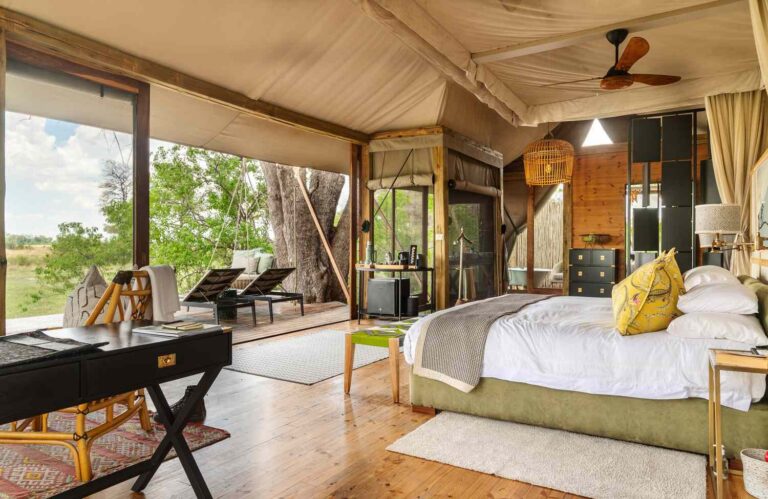
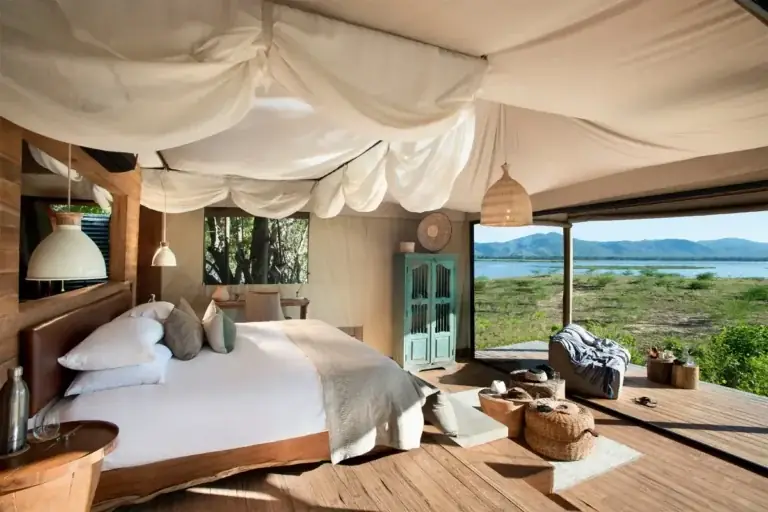
Correction: Modern elite tented suites feature king-size beds, flushing en-suite bathrooms, solar power, and refined architectural styling that rivals top urban hotels.
-
Ethical, Practical, and Contextual Considerations
Engaging with fragile wilderness environments carries profound ethical responsibilities. The presence of high-net-worth travelers can exert immense pressure on local ecosystems if not managed with rigorous restraint. Ethical considerations demand that tourism operators respect animal behavior by maintaining respectful distances, avoiding the crowding of den sites, and strictly prohibiting artificial baiting or harassment for photographic gain.
Furthermore, the socioeconomic relationship between camps and neighboring rural communities is vital. True sustainability requires that local populations derive tangible, equitable benefits from conservation tourism—ranging from skilled employment and educational funding to healthcare infrastructure. Travelers who interrogate the operational ethics of their chosen providers ensure that their presence reinforces, rather than disrupts, the delicate balance between human aspiration and ecological preservation.
Synthesis, Editorial Judgment, and Conclusion
When professionals attempt to compare luxury wildlife lodges, they engage in an exacting discipline that bridges rigorous logistics, ecological literacy, and spatial intimacy. Moving beyond superficial marketing gloss reveals a sophisticated ecosystem where every structural choice—from community land leases to low guest-capacity caps—shapes both the traveler’s experience and the survival of vulnerable habitats.
Approaching this domain with patience, intellectual rigor, and an insistence on structural transparency transforms a standard holiday into a profound engagement with the natural world. By prioritizing spatial exclusivity, conservation integrity, and seamless operational design, travelers can experience the wilderness in its most authentic, untamed state—ensuring that these fragile sanctuaries endure for generations to come.