How to Plan Luxury Safari on a Budget: The Definitive Guide
High-end wilderness travel and strict budgets seem like total opposites. For decades, safaris were strictly for the wealthy. They featured private planes and bespoke guides. But you can enjoy premier habitats without paying top-tier premiums. This requires a strict, structural approach to planning.
Mastering how to plan luxury safari on a budget demands a hard look at value. You must separate real value from superficial markups. The safari market has huge price gaps. These gaps exist between adjacent camps and different seasons. A luxury experience requires exceptional wildlife density. It needs uncrowded sightings and expert guides.
You do not need ultra-luxury corporate brands for this. Ground transport and park fees dictate your baseline costs. When you manipulate these variables, you can replicate five-star quality. You will cut out thousands of dollars in unnecessary overhead. This guide shows you how to decode safari pricing and find genuine value.
Understanding “how to plan luxury safari on a budget”
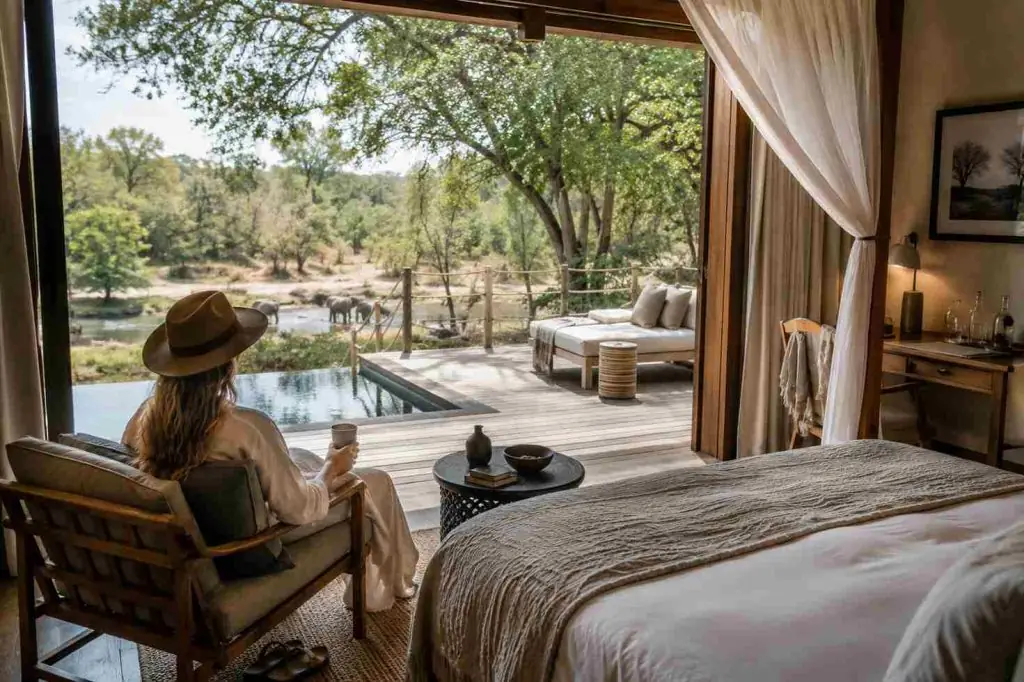
High cost does not guarantee better wildlife viewing. In normal tourism, higher prices mean better rooms. Safari ecosystems operate differently. A lion resting in the Maasai Mara ignores property lines. It crosses the same land whether you pay two thousand dollars or two hundred dollars a night.
The False Compromise
Budget travelers often think they must sacrifice all comfort. They picture crowded overland trucks and public campsites. This is a false choice. The market offers boutique owner-operated camps. Seasonal tented migrations provide amazing comfort. You get elite guiding without the heavy corporate overhead. The real danger is sacrificing vehicle quality or guide expertise to save a few dollars.
Redefining Safari Luxury
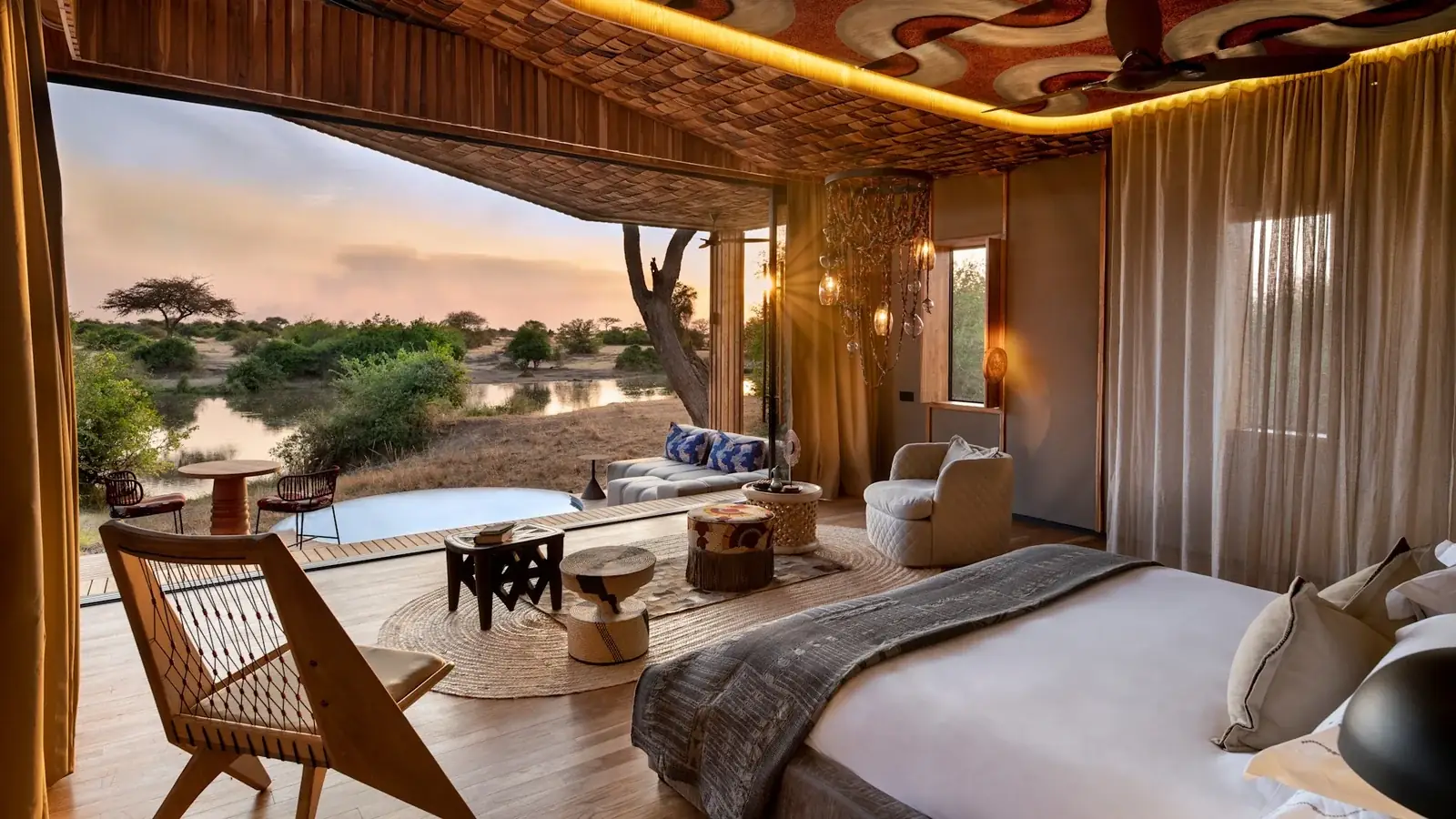
You must redefine wilderness luxury. True luxury is spatial. It means low vehicle density and deep silence. A seasoned tracker adds immense experiential value. Separate these core pillars from material excesses like plunge pools. You can then target the exact components that matter. Ruthlessly prune the vanity metrics that inflate your invoice.
Deep Contextual Background
Modern safari economics started with early hunting trips. Later, post-independence conservation changed the landscape across Africa.
Early Ecotourism Shifts
In the mid-twentieth century, premier wildlife viewing was for the elite. They paid for huge logistical teams. Then, commercial aviation expanded in the 1970s. Packaged tours brought large minibuses to national parks. This created a standardized middle tier of travel. Lodges were large concrete blocks inside public parks.
The Rise of Private Concessions
The late 1980s saw a massive shift. Botswana pioneered a low-impact, high-cost model. South Africa and Tanzania soon followed. They restricted visitor numbers. They built expensive, eco-sensitive lodges on private land. This funded anti-poaching work. However, it also sparked rapid price inflation. Luxury brands marketed exclusivity as an expensive lifestyle product.
The Modern Budget Alternative
Private conservancies changed wildlife viewing again. Travelers gained off-road driving access and night safaris. Ground handlers noticed a gap in the market. They developed smart, lower-cost alternatives. Mobile camps and shoulder-season timing became popular. They shared concession access to deliver high-end privileges cheaply. This laid the groundwork for modern budget optimization.
Conceptual Frameworks and Mental Models
You need strong mental models to navigate safari pricing. They expose hidden cost drivers and show you where to save.
The Experiential-Material Split
First is the Experiential-Material Separation Model. Divide every safari element into two columns. Put wildlife density and guide expertise in one. Put marble bathrooms and imported wine in the other. Spend your money heavily on the first column. Aggressively cut spending on the second column.
The Temporal Arbitrage Matrix
Safari pricing changes rapidly with the seasons. View the travel calendar as a sliding scale of costs. Moving a trip by just two weeks can save thousands. You can cut bed-night tariffs by fifty percent. The wildlife viewing quality remains identical. You simply capture dramatic weather phases instead of peak dry conditions.
Park Boundaries and Logistical Decoupling
Wildlife ignores national park borders. Animals spill freely into adjacent community lands. Staying just outside a high-fee park saves money. You bypass exorbitant daily levies but keep traversing rights. Also, use the Logistical Decoupling Principle. Do not buy bundled packages from Western agencies. Source your transport and camps independently to kill commissions.
Key Categories and Structural Variations
You must analyze distinct cost categories. This shows you exactly where price variations occur.
Accommodation and Timing
Move from permanent brick lodges to seasonal mobile camps. Mobile camps require far less capital. Operators pass these savings directly to you. Comfort and wildlife proximity remain excellent. Next, shift your travel dates. Avoid peak migration months. Choose shoulder periods to unlock steep discount structures.
Transport and Access Limits
Replace private air charters with scheduled regional flights. Use well-maintained 4×4 ground transfers when geography allows it. Select boutique reserves over famous national parks. This heavily reduces your daily statutory fees. Opt for small-group shared vehicles. Sharing a vehicle with four people preserves your photo angles while cutting costs.
Booking Channels and Itinerary Focus
Focus your itinerary on one deep-dive region. Do not island-hop across multiple countries. This cuts domestic flight overhead drastically. Hire reputable local ground operators. Direct booking removes Western agency markups. Select full-board packages. Avoid hyper-inflated premium liquor upgrades.
| Cost Category | Traditional Luxury | Budget-Optimized Luxury | Trade-Off |
| Lodge Type | Permanent luxury villas. | Seasonal mobile tented camps. | Slightly smaller rooms; identical wildlife. |
| Season | Peak dry season (August). | Shoulder season (November). | Occasional rain; massive savings. |
| Logistics | Private charter flights. | Scheduled regional flights. | Fixed schedules; minor delays. |
| Access | Core national parks. | Private buffer conservancies. | Strict border rules; fewer crowds. |
| Booking | Western travel designers. | Local African ground handlers. | Requires more personal oversight. |
Realistic Decision Logic
Building a cost-effective trip takes strict discipline. First, pick your main wildlife goal. Isolate the single best region for it. Next, find the optimal shoulder season window. Solicit proposals strictly from local operators. Demand fully itemized breakdowns of all fees. Finally, verify the camp details. Ensure they offer real wilderness value over resort amenities.
Detailed Real-World Scenarios
Analyzing real-world scenarios shows how these strategies perform. It also reveals hidden pitfalls.
The Green-Season Strategy
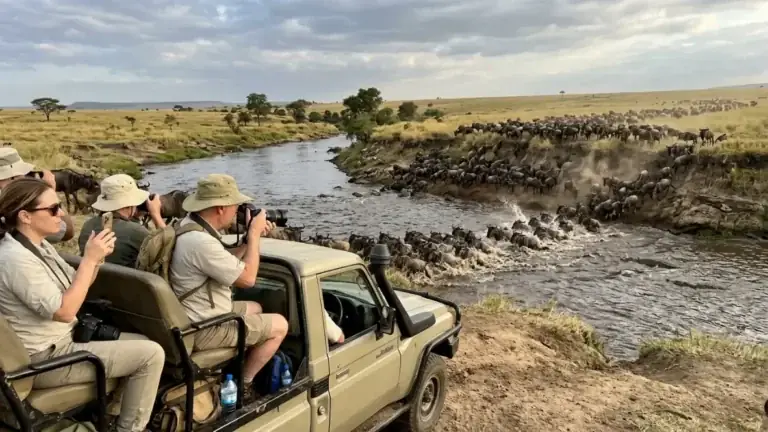
A couple wants to see the Serengeti migration. They want to avoid peak July rates. They book a mobile camp in late January. The lodge rate is half the peak price. Sadly, a dry spell alters herd movements. The mobile camp is fixed in one spot. They miss the main herds by twenty miles. They must pay heavily to relocate their vehicle mid-trip.
The Conservancy Buffer Zone
A family wants to avoid steep daily park fees. They book a luxury camp in a private conservancy. The conservancy allows exciting night drives. However, they lack a pass for the main national park. A rare rhino appears just across the border line. They cannot enter to see it. Buffer zones save money but have strict geographical limits.
The Scheduled Flight Connection
A small group relies on scheduled light-aircraft flights. They want to skip private charter costs entirely. A morning storm delays their first flight. Bush-flight schedules are very tightly interlocked. The delay causes them to miss their connection. They must pay for an unexpected hotel stay in town. Tight flight loops always carry schedule risks.
Planning, Cost, and Resource Dynamics
Balancing luxury standards with budgets requires mapping all resources. You must track both direct and indirect financial streams.
Direct and Indirect Costs
Direct costs include airfares and lodge nights. Indirect costs involve immunizations and travel insurance. Do not forget international bank transfer fees. These add up quickly. Choosing a rigid promotional package is risky. It often removes flexible cancellation policies. It strips away private vehicle guarantees.
Opportunity Cost Management
You face clear opportunity costs during planning. Upfront savings might leave you vulnerable later. If operational disruptions occur, you need backups. You must weigh initial discounts against on-the-ground reliability.
| Cost Dimension | Low Range | High Range | Control Variable |
| Air Logistics | $800 – $1,500 | $3,500+ | Booking flexibility. |
| Lodge Tariffs | $250 – $500/night | $1,200+/night | Seasonal timing. |
| Bush Transfers | $200 – $500 total | $2,000+ total | Flight schedules. |
| Buffer Pool | 10% of budget | 25% of budget | Liquid reserves. |
Tools, Strategies, and Support Systems
Executing this strategy requires specific tools. Procedural safeguards protect your budget.
Direct Booking and Financial Tools
Send quote requests directly to local operators. This instantly kills middleman markups. Use multi-currency transfer platforms. They reduce bad exchange rates and international bank fees. Analyze historical weather data yourself. Do not rely on generic marketing calendars from agents.
Legal Riders and Peer Intelligence
Insert legal clauses in your final contract. Cap your liability for sudden government fee hikes. Check operator reliability on independent travel forums. Avoid sponsored travel blogs entirely. Build modular itineraries. You can swap camps easily if weird pricing anomalies arise.
Packing and Verification Protocols
Pack very light. Meet the strict 15 kg bush-plane limit. This avoids heavy excess baggage fines. Call lodge managers directly before booking. Confirm guide ratios and vehicle conditions yourself. Note that local handlers may reply slowly during peak seasons. Patience is required.
Risk Landscape and Failure Modes
Budget-engineered trips have narrow safety margins. When you cut waste, you reduce your protective buffer.
Compounding Vulnerabilities
A discounted green-season package carries weather risks. Heavy rain might wash out unpaved access roads. This triggers a massive chain reaction of failures. Grounded vehicles require costly emergency towing. Missed internal flights trigger steep rebooking fees. Unplanned hotel nights quickly exhaust your contingency reserves.
Currency and Macroeconomic Risks
Currency volatility is a massive risk. Operators often price in US Dollars. Yet, their local expenses change with domestic inflation. A weak local currency causes problems. Operators might add sudden fuel surcharges. Keep a liquid contingency fund ready. Ensure your contract guarantees rate protection upon deposit receipt.
Governance, Maintenance, and Adaptation
Elite safaris are booked a year in advance. The economic landscape changes constantly during this time. You must maintain tight financial control.
Milestone Monitoring Protocols
Establish fixed calendar check-ins every sixty days. Ask your ground handler for regional weather updates. Monitor local political stability. Track upcoming park tariff announcements closely. Do not wait for the operator to warn you. Proactive monitoring prevents sudden financial shocks.
Regulatory Review Triggers
Watch for host nation fiscal budget releases. These usually happen in June across East Africa. Governments frequently announce huge park fee increases then. Formalize a plan to adapt. Decide early if you need to change camps. Adjust your transfer routes if seasonal weather shifts threaten your trip.
Measurement, Tracking, and Evaluation
You must track your strategy’s success objectively. Balance hard numbers with qualitative feelings.
Balancing Metrics and Indicators
Audit the variance between projected and actual costs. Look closely at every single operational node. Then, judge the actual field experience. Did you have exclusive wildlife sightings? Was the guide truly knowledgeable? Did you feel financially secure without hidden friction?
Required Documentation Examples
Keep a strict Value-Variance Ledger. Track estimated versus actual costs for permits and transport. Use an Experiential-Material Audit Matrix. Score camps on wildlife access over luxury fluff. Maintain a Logistical Contingency Log. Write down all weather shifts and external risks you review prior to departure.
Common Misconceptions
Travelers hold many false beliefs about safari costs. Clearing these up saves you money.
Location and Booking Myths
Many believe true luxury only exists inside main park gates. Actually, private conservancies offer better, uncrowded viewing. They cost much less overall. People think Western agencies guarantee safer trips. In truth, they just add massive corporate commissions. Local handlers provide the exact same trips much cheaper.
Weather and Transport Myths
Some think green-season rain ruins a safari entirely. Usually, these are just short afternoon showers. The skies become dramatic for incredible photography. Another myth is that shared vehicles ruin sightings. Premium camps strictly limit vehicles to four guests. Everyone gets a window seat and clear views.
Pricing and Discount Myths
People assume scheduled bush flights are highly unreliable. With good buffer timing, they work perfectly well. Many think all-inclusive prices cover every fee. Lodges often exclude community levies and premium drinks. Finally, do not rely on last-minute discounts. The absolute best boutique camps fill up very early.
Ethical and Practical Considerations
Cutting costs must not harm sustainable conservation. Proper planning respects local ecosystems.
Supporting Conservation Economies
Conservancy fees fund anti-poaching patrols. Park tariffs pay for essential local employment. Seeking loopholes around these fees is deeply unethical. It destroys the very habitats you want to visit. You must support the economic viability of these wild spaces.
Targeting the Right Markups
Smart financial planning targets corporate markups. Cut out vanity amenities and middleman commissions. Do not cheat local conservation funds. Direct your money toward locally owned handlers. Pay fair community fees willingly. This ensures your trip protects Africa’s natural heritage while keeping you on budget.
Conclusion
Learning how to plan luxury safari on a budget requires strict analysis. You must move away from passive consumerism. Separate material excess from real wilderness immersion. Use temporal and spatial arbitrage to your advantage. Work directly with local operational experts. This eliminates thousands of dollars in hidden overhead.
The final expedition delivers quiet exclusivity. It provides elite guiding and profound wildlife encounters. You get top-tier travel without the bloated corporate price tag. High-end adventure and strict fiscal intelligence work perfectly together. When properly engineered, a budget-conscious safari is indistinguishable from a vastly overpriced one.