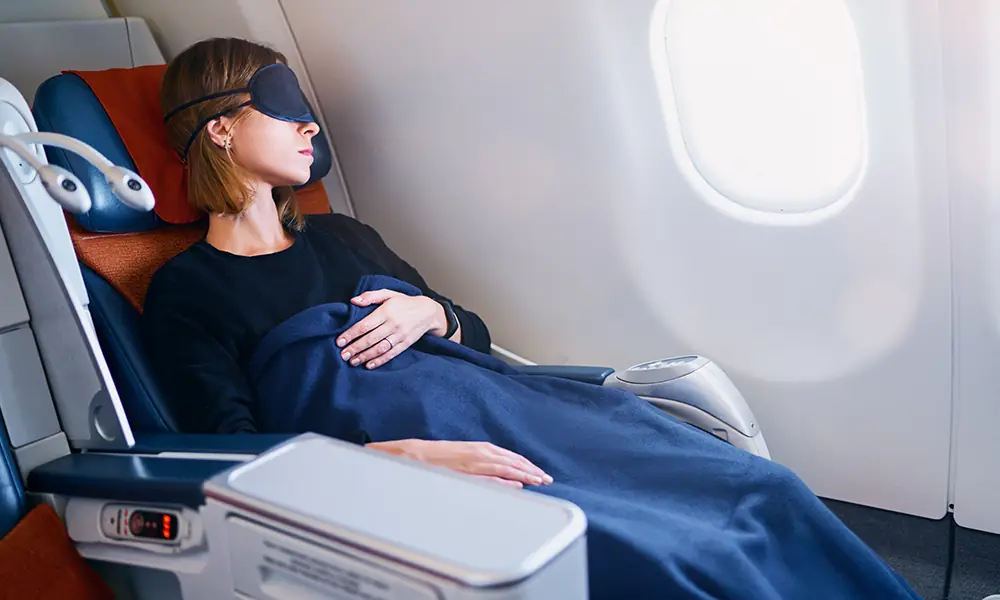
How to Manage Long Haul Flight Fatigue: The Definitive Expedition Guide
Modern aviation has compressed geographical distance, allowing travelers to cross multiple meridians in a matter of hours. Yet, human biological architecture remains tethered to evolutionary chronobiology. When a traveler traverses immense longitudinal spans, the human body experiences a systemic disruption that goes far beyond simple tiredness. This physiological shock encompasses severe circadian misalignment, cabin-induced dehydration, hypoxic stress, and musculoskeletal rigidity caused by prolonged immobilization in pressurized aluminum tubes.
Understanding how to manage long haul flight fatigue requires moving past superficial travel tips like drinking extra water or watching a movie to sleep. True mitigation demands a rigorous, multidisciplinary approach that combines chronobiology, nutritional biochemistry, ergonomic physics, and behavioral psychology. Transmeridional travel places acute stress on the suprachiasmatic nucleus, the master pacemaker located within the human hypothalamus. When this internal clock is abruptly detached from local environmental cues such as solar radiation and ambient temperature, a cascade of metabolic, cognitive, and immunological dysfunctions ensues.
Addressing this challenge requires a systemic blueprint. Travelers must learn to engineer their pre-flight, in-flight, and post-arrival environments deliberately. By treating long-distance transit as a controlled biological disruption rather than passive transportation, individuals can preserve cognitive acuity, accelerate physiological recovery, and protect long-term metabolic health. This guide provides an exhaustive analytical framework for deconstructing transmeridional exhaustion, identifying genuine physiological levers, and executing elite recovery protocols under severe operational constraints.
Understanding “how to manage long haul flight fatigue”
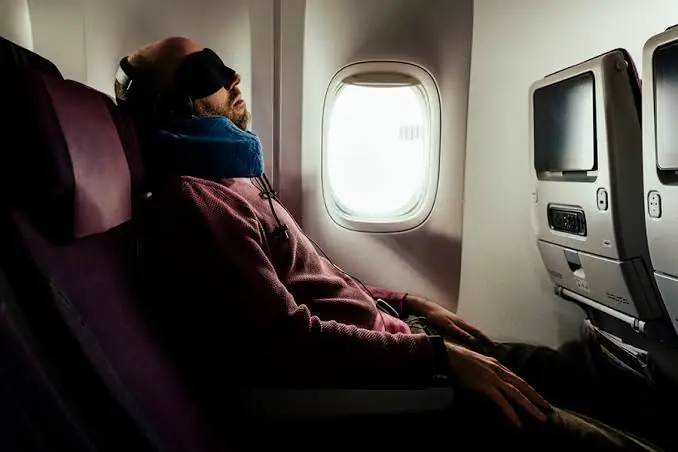
Mastering how to manage long haul flight fatigue begins with separating acute sleep deprivation from true circadian desynchronization. Acute sleep deprivation occurs simply from staying awake for twenty consecutive hours during a journey. Circadian desynchronization, commonly known as jet lag, is far more complex. It represents a fundamental temporal mismatch between an individual’s internal biological clock and the external solar time of the destination environment.
The Misunderstanding of Cabin Environments
A widespread misconception among travelers is that physical exhaustion stems primarily from the length of time spent inside an aircraft. While duration matters, the microenvironment of the modern commercial cabin plays an equally destructive role. Cabin altitudes are typically pressurized to an equivalent of 6,000 to 8,000 feet above sea level, reducing blood oxygen saturation levels and accelerating systemic dehydration due to extremely low relative humidity percentages.
Oversimplification Risks
Oversimplifying the recovery process often leads travelers to rely on pharmacological crutches like heavy sleeping pills or excessive caffeine. These quick fixes frequently mask underlying physiological distress rather than resolving it. Sleeping pills can induce unrefreshing, non-restorative sedation under hypoxic cabin conditions, while excessive caffeine spikes cortisol levels and exacerbates post-flight insomnia. True management requires aligning behavioral triggers—such as light exposure, meal timing, and strategic movement—with the target time zone’s solar cues.
Deep Contextual Background: The Evolution of Transmeridional Aviation and Circadian Science
The physiological toll of long-distance transit is a byproduct of twentieth-century technological acceleration. For the vast majority of human history, long-distance travel occurred via maritime or overland routes. These journeys spanned weeks or months, allowing the human circadian system to adapt organically to gradual longitudinal shifts. The solar day matched the traveler’s physical progression across the earth’s surface.
The introduction of jet-powered commercial aviation in the late 1950s shattered this evolutionary pacing. For the first time, humans could cross six, twelve, or twenty time zones in less than a single day. The human body was forced to process an unprecedented environmental shock: arriving in a morning zone while operating on a midnight biological clock. Early aviation pioneers and military researchers quickly noted severe cognitive degradation, memory lapses, and immune suppression among flight crews and diplomats, prompting the birth of modern chronobiology.
During the 1970s and 1980s, pioneering sleep researchers mapped the suprachiasmatic nucleus and its response to zeitgebers—external environmental cues that synchronize internal biological rhythms, with light acting as the primary driver. As commercial aviation expanded into a mass global market, the economic cost of executive and operational fatigue became starkly apparent. Corporations began demanding scientific interventions, shifting the focus from passive endurance to active circadian phase-shifting protocols that leverage lux-specific light therapy, precise nutritional timing, and structured physical movement.
Conceptual Frameworks and Mental Models for Circadian Optimization
Navigating the biochemical and neurological complexities of transmeridional travel requires robust mental models that expose hidden fatigue vectors and structure recovery protocols.
The Zeitgeber Alignment Matrix
This mental model views the human body as an integrated biological clock driven by external cues. The matrix maps out how light exposure, core body temperature fluctuations, and macronutrient ingestion must be sequenced relative to the destination time zone. By manipulating these zeitgebers systematically, travelers can nudge their circadian phase forward or backward before departure.
The Hypoxic-Dehydration Cascade
Commercial cabins maintain an atmospheric environment that mimics high altitudes, resulting in lowered partial pressure of oxygen and severely dry air. This mental model tracks how systemic dehydration concentrates the blood, reduces cognitive processing speed, and amplifies the perception of physical fatigue. It treats in-flight hydration not as a matter of comfort, but as an essential cardiovascular stabilization strategy.
The Sleep Debt versus Circadian Phase Model
This framework separates the quantitative loss of sleep hours from the qualitative misalignment of the biological clock. It dictates that attempting to cure circadian desynchronization simply by sleeping longer fails if that sleep occurs during the wrong biological window. True recovery requires resolving both the sleep debt and the phase shift simultaneously.
Key Categories and Structural Variations in Flight Fatigue Interventions
Mitigating transmeridional exhaustion requires analyzing distinct intervention categories, understanding their operational mechanics, and evaluating their trade-offs.
Pre-Flight Phase Shifting
Gradually shifting sleep and wake times by thirty to sixty minutes per day over the week leading up to departure. This reduces the total magnitude of the phase shift required upon arrival.
In-Flight Light and Melatonin Management
Strategically utilizing blue-spectrum light blocking glasses or light boxes alongside low-dose exogenous melatonin to simulate destination darkness or daylight while airborne.
Nutritional Chronobiology
Timing macronutrient intake to support alertness or sleep. High-protein, low-carbohydrate meals stimulate orexin neurons to promote wakefulness, while complex carbohydrates eaten late in a flight facilitate natural serotonin and melatonin synthesis.
Ergonomic Motion and Vascular Activation
Employing targeted isometric exercises, compression garments, and periodic cabin ambulation to prevent deep vein thrombosis and reduce musculoskeletal stiffness.
| Intervention Category | Primary Biological Target | Operational Advantage | Key Operational Trade-Off |
| Pre-Flight Phase Shifting | Suprachiasmatic Nucleus | Minimizes destination shock. | Requires strict discipline with social and work schedules prior to travel. |
| Exogenous Melatonin | Circadian Phase Timing | Effectively signals biological night. | Can cause grogginess if dosed incorrectly relative to core body temperature minimum. |
| Targeted Nutrition | Metabolic Autonomic Tone | Supports natural wake/sleep states. | Requires careful meal planning and resisting airline catering schedules. |
| Vascular Compression | Venous Return / Endothelium | Prevents edema and clotting risks. | Can feel restrictive or uncomfortable during ultra-long flights. |
| Lux-Controlled Light | Retinal Ganglion Cells | Directly suppresses or triggers melatonin. | Requires carrying specialized eye-wear or light devices. |
Realistic Decision Logic for Protocol Selection
Selecting the correct intervention strategy depends heavily on the direction of travel and the total number of time zones crossed. Eastward travel—moving against the earth’s rotation—shortens the day and requires phase advance, which is biologically more difficult for the human body to manage than the phase delay associated with westward travel. Travelers heading east should prioritize morning light exposure at the destination and early evening melatonin intake. Conversely, travelers heading west should seek afternoon and evening light exposure while delaying melatonin use. Ground handlers and frequent flyers must audit their trip duration: short trips under 48 hours often warrant staying on home time to avoid double adaptation shock, while long-term stays demand immediate destination synchronization.
Detailed Real-World Scenarios and Operational Stress-Test Cases
Analyzing concrete operational scenarios illustrates how fatigue mitigation strategies perform under real-world travel pressures and where hidden vulnerabilities emerge.
Scenario A: The Eastward Corporate Sprint
A consultant flies from New York to London (a five-hour time jump) on a red-eye flight, landing at 6:00 AM local time. Operating under the assumption that they can power through the day with heavy caffeine, they attend back-to-back client meetings. By mid-afternoon, their cognitive processing crashes due to acute sleep deprivation compounded by an advanced circadian phase mismatch. Because they failed to secure morning sunlight exposure upon landing and ingested excessive caffeine, their evening sleep architecture is severely fragmented, ruining their second day of meetings.
Scenario B: The Westward Transpacific Transition
A researcher flies from Singapore to San Francisco (a fifteen-hour time jump). Anticipating extreme fatigue, they sleep heavily during the first leg of the flight despite it being midday in their departure zone. Upon arriving in California in the evening, they experience intense insomnia because they prematurely exhausted their sleep drive while airborne. The second-order effect is a persistent inverted sleep schedule that takes four days to normalize, destroying their productive output during the first half of the trip.
Scenario C: The Multi-Leg Itinerary Breakdown
An executive takes a multi-leg journey from Sydney through Dubai to Frankfurt, crossing multiple meridians over a forty-eight-hour period. Attempting to follow a rigid pre-flight phase-shifting protocol, their plan breaks down when the first flight is delayed by six hours. Because their meal and sleep schedules are thrown out of alignment mid-transit, they abandon all mitigation efforts, resulting in severe systemic exhaustion, compromised immune function, and a subsequent upper respiratory infection upon arrival.
Planning, Cost, and Resource Dynamics of Recovery Engineering
Mitigating transmeridional fatigue requires mapping direct and indirect resource streams. Direct costs include purchasing premium cabin seating for horizontal sleep access, specialized blue-blocker eyewear, pharmacological aids, and nutritional supplements. Indirect costs involve lost productivity hours during the adaptation window, medical expenses associated with travel-induced immune suppression, and administrative time spent designing custom schedules. Opportunity costs manifest clearly when travelers refuse to invest in ergonomic positioning or adequate layover time, sacrificing days of high-value performance at their destination.
| Cost Dimension | Low-Variance Range | High-Variance Range | Strategic Control Variable |
| Ergonomic Enhancements | $20 – $100 total | $2,000 – $8,000+ per ticket | Cabin class selection and support accessories. |
| Chronobiological Tools | $30 – $150 total | $300 – $600 total | Quality of light therapy devices and supplements. |
| Buffer Recovery Days | Zero days (immediate work) | 2–3 days pre/post padding | Schedule flexibility and employer policy. |
| Contingency Health Reserve | 5% of travel budget | 15% of travel budget | Access to wellness and medical support on arrival. |
Tools, Strategies, and Support Systems for Flawless Execution
Executing a successful recovery protocol requires deploying specific operational instruments and procedural safeguards.
-
Algorithmic Circadian Planning Applications: Utilizing specialized software algorithms that ingest flight itineraries and generate personalized light, sleep, and caffeine schedules days prior to departure.
-
Low-Blue Spectrum Eyewear: Wearing high-efficiency amber or red lenses during in-flight hours that simulate night, blocking melanopsin-activating light wavelengths from suppressing natural melatonin production.
-
Targeted Micronutrient Supplementation: Employing magnesium glycinate for nervous system relaxation and low-dose melatonin to anchor circadian phase adjustments without heavy sedative side effects.
-
Active Hydration and Electrolyte Protocols: Consuming precisely measured electrolyte solutions mixed into water to combat cabin dryness without causing frequent, sleep-disrupting nocturnal bathroom trips.
-
Controlled Acoustic Isolation: Utilizing active noise-canceling headphones paired with white or brown noise soundscapes to eliminate erratic cabin engine hums and passenger disruptions during rest periods.
-
In-Flight Mobility Routines: Executing seated calf raises, spinal twists, and isometric stretches every ninety minutes to maintain peripheral microcirculation and prevent venous stasis.
-
Destination Solar Integration Plans: Mapping outdoor walking routes immediately upon arrival to maximize natural, high-lux morning or afternoon sunlight depending on the required phase shift.
-
Temperature-Regulated Sleep Environments: Ensuring destination accommodation offers strict climate control and blackout capabilities to protect core body temperature drops during sleep windows.
While these tools provide exceptional utility, they possess operational limits. Algorithmic apps cannot account for unexpected flight delays, and blue-blocker glasses do not eliminate the underlying physiological stress of cabin hypoxia.
Risk Landscape, Vulnerabilities, and Compounding Failures
The operational risk landscape associated with long-distance travel is defined by compounding vulnerabilities. When a traveler commits a fundamental fatigue-management error—such as consuming alcohol in a dehydrated cabin environment—it triggers a cascade of physiological failures. Alcohol acts as a diuretic, accelerating cabin-induced dehydration while fragmenting restorative rapid eye movement (REM) sleep. This results in severe next-day cognitive fog, headaches, and heightened anxiety.
Another critical risk vector is immunological suppression. The combination of sleep deprivation, dry cabin air that dries out mucosal membranes, and high-density passenger seating creates an ideal environment for pathogen transmission. Travelers who push through extreme fatigue without allowing their bodies to rest frequently experience acute immune crashes, resulting in viral infections that derail their professional or personal objectives upon arrival. Mitigating these risks requires treating rest and hydration as mandatory operational safeguards rather than optional luxuries.
Governance, Maintenance, and Long-Term Adaptation
Maintaining control over physical resilience across frequent international travel cycles requires disciplined monitoring, structured review intervals, and post-travel recovery protocols. Because transmeridional travel creates cumulative allostatic load, failing to recover properly between trips leads to chronic burnout, metabolic dysregulation, and long-term sleep architecture degradation.
-
Pre-Travel Baseline Assessments: Evaluating current sleep debt, resting heart rate variability, and nutritional status prior to boarding to determine the appropriate intensity of the upcoming fatigue mitigation protocol.
-
In-Transit Protocol Audits: Conducting periodic mental and physical checks every four hours while airborne to assess hydration levels, alertness states, and adherence to the pre-planned sleep-wake schedule.
-
Post-Travel Recovery Windows: Establishing mandatory down-time blocks upon returning home to allow endocrine and autonomic nervous systems to return to baseline homeostasis before initiating new travel cycles.
Measurement, Tracking, and Evaluation Frameworks
Evaluating the success of a fatigue management strategy requires balancing quantitative biometric metrics against qualitative cognitive assessments. Quantitative tracking involves monitoring wearable sensor data—such as resting heart rate, heart rate variability (HRV), and total sleep duration—while qualitative evaluation assesses reaction times, emotional stability, and subjective alertness levels.
-
Documentation Example 1: The Biometric Recovery Ledger: A granular data log tracking pre-flight versus post-flight heart rate variability and resting heart rate trends to measure autonomic nervous system recovery.
-
Documentation Example 2: The Circadian Execution Matrix: A time-stamped schedule tracking actual light exposure, meal ingestion, and sleep intervals against the planned protocol to identify execution drift.
-
Documentation Example 3: The Cognitive Performance Audit: A daily self-assessment recording subjective energy levels, focus depth, and executive function scores during the destination adaptation window.
Common Misconceptions and Oversimplifications
-
Myth: Alcohol helps travelers fall asleep faster on long haul flights.
-
Correction: While alcohol has a mild sedative effect initially, it disrupts deep sleep architecture, worsens dehydration, and guarantees fragmented, unrefreshing rest.
-
-
Myth: Sleeping pills provide the exact same restorative quality as natural biological sleep while flying.
-
Correction: Sedatives induce unconsciousness rather than true restorative sleep, and under hypoxic cabin conditions, they can lead to dangerously low respiratory rates and severe morning grogginess.
-
-
Myth: Drinking massive amounts of plain water is sufficient to prevent in-flight dehydration.
-
Correction: Without proper electrolyte balance, chugging plain water simply flushes essential minerals and leads to constant, sleep-disrupting bathroom trips.
-
-
Myth: Staying awake for the entire flight guarantees you will sleep soundly upon destination arrival.
-
Correction: Extreme sleep deprivation triggers cortisol spikes and neurological stress, which paradoxically causes severe insomnia and wired exhaustion upon landing.
-
-
Myth: Jet lag affects all individuals equally regardless of age, genetics, or travel direction.
-
Correction: Eastward travel is biologically harder than westward travel, and circadian adaptability declines naturally with age and individual chronotype variations.
-
-
Myth: Drinking endless cups of coffee is an effective long-term strategy for masking travel fatigue.
-
Correction: Excess caffeine depletes adenosine receptors and spikes stress hormones, creating a volatile crash-and-burn cycle that worsens long-term exhaustion.
-
-
Myth: Once you arrive at your destination, you should immediately conform to local social meal times regardless of your internal clock.
-
Correction: Forcing digestion during your biological night causes gastrointestinal distress and slows down the liver’s peripheral circadian clock adaptation.
-
Ethical, Practical, and Contextual Considerations
The management of transmeridional fatigue intersects with broader professional and ethical obligations. Operating high-stakes business negotiations, medical procedures, or complex machinery while severely sleep-deprived and cognitively impaired introduces profound safety risks. Professionals who travel across multiple time zones have an ethical duty to build adequate acclimatization windows into their schedules to protect colleagues, clients, and the general public from the consequences of impaired executive judgment. Furthermore, organizations must recognize that treating employees as interchangeable units capable of performing at peak capacity immediately following a twelve-hour time jump is ecologically unsustainable and economically counterproductive.
Conclusion
Mastering how to manage long haul flight fatigue requires a systemic shift away from reactive coping mechanisms and toward proactive chronobiological engineering. By understanding the mechanics of circadian desynchronization, cabin-induced hypoxia, and metabolic stress, travelers can dismantle the primary drivers of transmeridional exhaustion. Implementing disciplined pre-flight phase shifting, precise in-flight nutritional and light management, and structured post-arrival integration protects both cognitive performance and long-term metabolic health. Ultimately, viewing international travel through the lens of rigorous biological preparation transforms a debilitating ordeal into a manageable, highly optimized operational transition.